

 See My Latest Article on HelloNation

What Does “Right-Sized” HVAC Mean for Local Homes?
A “right-sized” HVAC system provides consistent comfort all year while running efficiently—it’s neither too large nor too small. In Morris, IL, this means selecting equipment that can handle both hot, humid summers and cold, windy winters common in the region.
Oversized systems cycle on and off quickly, leading to uneven temperatures, higher energy costs, and excess wear. Systems that are too small struggle to keep up, work nonstop, and leave rooms uncomfortable in extreme weather.
What Factors Affect Sizing for HVAC in the Area?
Several elements, both predictable and unique to each home, determine what size HVAC is needed:
- Total square footage of living space
- Number and type of windows and doors
- Quality and amount of insulation, particularly important with Midwest winters
- Ceiling height and number of stories
- Building orientation (which sides get the most sun or wind)
- Local climate, including average temperature swings and humidity
- Number of inhabitants and typical appliance use
Homes in Morris often have basements, detached garages, or additions that change a home’s heating and cooling needs. Older homes may have less insulation and more draft points than newer construction, impacting calculations.
How Do HVAC Professionals Calculate the Right Size?
The standard method is a “Manual J Load Calculation.” This process considers specifics like square footage, insulation types, air leakage, and local climate data. Rather than guessing based on home size alone, load calculations look at:
- Home’s orientation and sun exposure
- Room count and layout
- Window sizes, directions, and materials
- Ductwork condition and efficiency
A proper calculation in this region often results in a system measured in “tons” for cooling (one ton = ability to cool 12,000 BTUs per hour) and BTUs per hour for heating capacity.
Why Isn’t Square Footage Alone Enough?
Relying only on square footage is common—but misleading. Two homes of the same size could require different HVAC sizes due to upgrades, insulation, windows, or shade trees.
For example, a 2,000-square-foot home in Morris with modern windows and extra attic insulation might need a smaller system than an older home of the same size. The difference in comfort and efficiency over time can be significant.
What Are Typical HVAC Sizes for Local Homes?
While exact sizing must be calculated for each property, many area homes fall within these general ranges:
- Small ranch or cottage (under 1,200 sq. ft.): 1.5–2 tons (18,000–24,000 BTUs)
- Medium two-story or split-level (1,500–2,500 sq. ft.): 2.5–3.5 tons (30,000–42,000 BTUs)
- Larger homes or multigenerational setups (2,500 sq. ft. and above): 4–5 tons or greater (48,000–60,000 BTUs+)
Older homes with original materials and minimal upgrades may lean toward the upper end of these ranges.
What Can Happen if My HVAC System Is Too Big or Too Small?
Comfort, cost, and lifespan are all affected.
- Oversized units rapidly heat or cool, then shut off and short-cycle, causing temperature swings and humidity problems
- Undersized units run constantly, leading to high bills, excessive wear, and uncomfortable rooms
- Both situations increase repair needs and shorten equipment life
Residents sometimes replace older systems with units larger than needed, mistakenly thinking “bigger is safer.” This is a common misconception and often leads to decreased comfort.
How Does Morris’s Climate Change Sizing Needs?
Frequent temperature swings, freezing winters, and muggy summer days mean local systems need enough capacity for the coldest and hottest days. Sizing should consider:
- Winter lows in January often dip below freezing for extended periods
- Summer highs routinely reach the upper 80s or low 90s, sometimes with high humidity
- Shoulder seasons can be unpredictable, requiring a versatile, responsive system
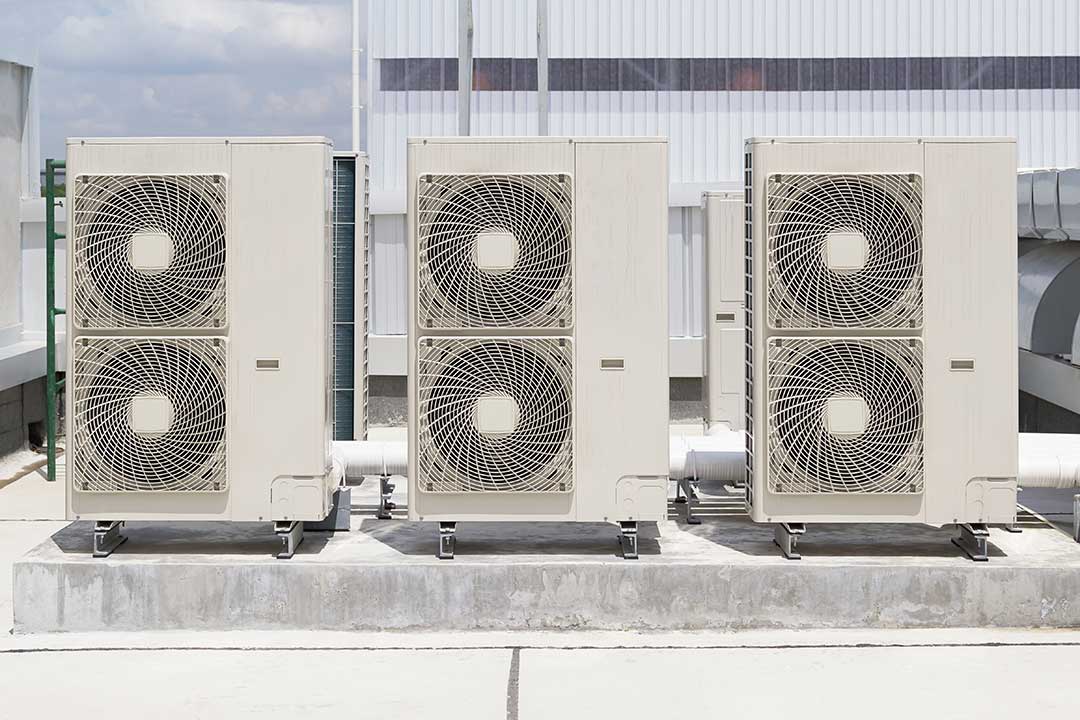
These extremes highlight the importance of insulation, window efficiency, and proper sealing, as poorly insulated homes in the city need larger equipment to maintain comfort.
Are There Special Sizing Considerations for Unique Local Housing Features?
Absolutely. Here are some examples relevant for area households:
- Many older residences were not designed for central heating and cooling, so ductwork may be undersized or absent—impacting system choices and sizing
- Finished basements add to conditioned space, increasing the total HVAC load
- Three-season rooms, sunrooms, and additions may need separate heating or cooling solutions to maintain comfort
- Open-concept designs, which are popular in local renovations, often need systems that handle larger open spaces with fewer interior walls
What Other Factors Should Local Residents Keep in Mind?
- Equipment energy efficiency ratings (SEER for cooling, AFUE for heating) can affect what size is needed—a more efficient unit may deliver more comfort with less energy
- Age of current HVAC and past upgrades to windows, insulation, or roofing
- Local energy costs, as running a system that’s too large or small can impact monthly bills significantly
- City permitting or utility rebate programs, which sometimes require correct sizing documentation to qualify for incentives
How Do I Know It’s Time to Reconsider HVAC Size?
You may want to review your home’s HVAC needs if you’ve:
- Added insulation, windows, or finished new spaces
- Noticed rooms heating or cooling unevenly
- Seen a spike in energy use unrelated to major weather shifts
- Upgraded major appliances or occupancy patterns in your household
Evaluating HVAC size is a practical step whenever significant changes are made to a home’s envelope, layout, or use.