

 See My Latest Article on HelloNation
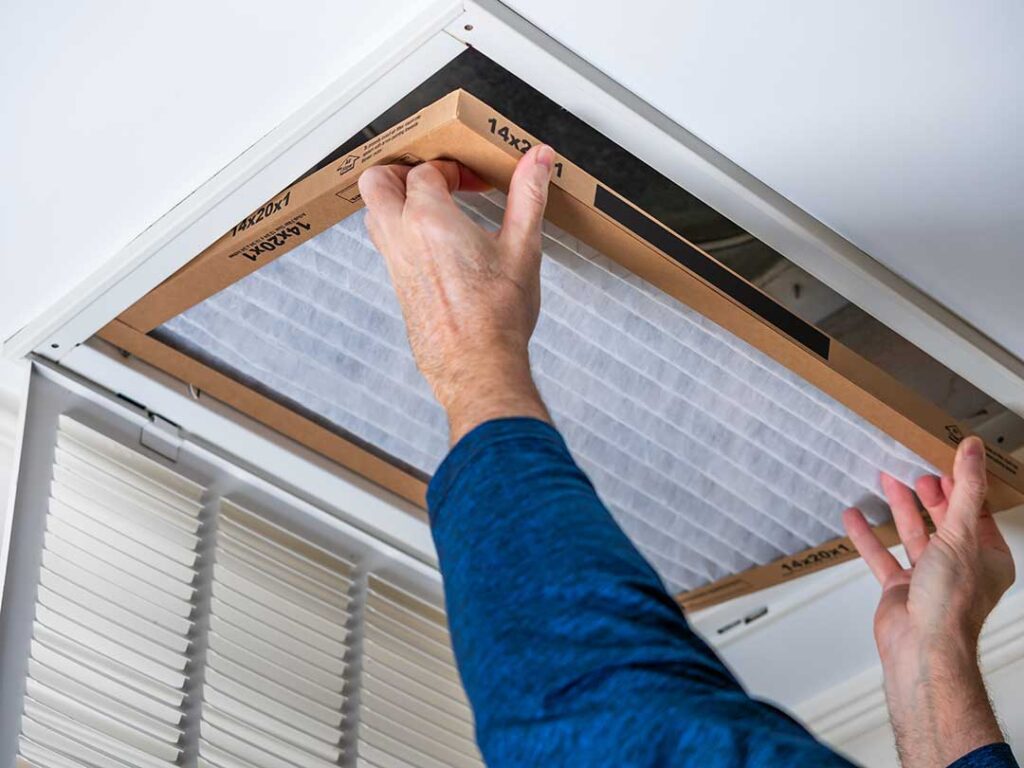
Heating and cooling equipment can help reduce airborne allergens, but only when the system is properly matched to the home and maintained consistently. In Morris, IL, area households may deal with outdoor pollen in spring and summer, tracked-in particles during dry or windy weather, and indoor dust or moisture-related irritants throughout the year.
An HVAC system cannot remove every allergen from a home. It can, however, filter a portion of airborne particles, limit indoor humidity, and improve air circulation when operated correctly.
Which allergens can an HVAC system help control?
HVAC equipment can reduce some airborne particles, including household dust, pollen, pet dander, and certain mold spores. The system is most effective when indoor air repeatedly passes through a properly installed filter.
Common indoor allergens include:
- Dust and dust-mite particles
- Pollen entering through doors, windows, clothing, and pets
- Pet dander and dried skin flakes
- Mold spores associated with damp materials
- Fibers from carpets, furniture, and bedding
- Fine particles stirred up by cleaning, remodeling, or indoor activity
Airborne allergens are only part of the problem. Larger particles often settle on floors, furniture, and fabrics before the HVAC system can capture them. Regular cleaning remains necessary even when the air filter is in good condition.
How often should the HVAC filter be changed?
Most homes should check the filter every month and replace or clean it according to its condition and the manufacturer’s instructions. A lightly occupied home with no pets may go longer between changes, while a home with pets, frequent dust, construction activity, or allergy-sensitive residents may need more frequent replacement.
A dirty filter can restrict airflow, reduce heating and cooling performance, and allow more dust to accumulate in the system. A filter that looks gray, clogged, or visibly coated with dust should generally be replaced rather than left in place until a fixed calendar date.
Filter size matters. An improperly fitted filter can allow air to pass around the edges, reducing filtration and depositing dust inside the equipment. The filter should fit securely without bending, collapsing, or leaving visible gaps.
Is a higher-efficiency filter always better?
No. A filter with a higher particle-capturing rating may improve filtration, but it can also restrict airflow if the HVAC system was not designed to handle it.
The safest approach is to use the highest-efficiency filter that the equipment and duct system can support while maintaining normal airflow. The filter’s dimensions, airflow resistance, and installation direction all matter.
Signs that a filter may be creating an airflow problem include:
- Weak airflow from supply registers
- Longer heating or cooling cycles
- Rooms that do not reach the desired temperature
- Unusual whistling or air noise near the filter
- A filter that bows inward during operation
A filter should not be selected by rating alone. The system’s design and the home’s ventilation needs are equally relevant.
Can humidity control reduce allergy problems?
Maintaining moderate indoor humidity can make the home less favorable to dust mites and mold growth. Excess moisture may develop in bathrooms, basements, crawl spaces, around windows, or near cooling equipment.
A basic humidity monitor can help identify conditions that are difficult to judge by feel. Indoor humidity that remains unusually high may contribute to musty odors, condensation, or visible mold. Very low humidity can irritate the nose, throat, skin, and eyes, even though dry air does not remove allergens by itself.
The HVAC system may help control humidity during cooling season, but it may not solve moisture problems caused by leaks, inadequate drainage, plumbing issues, or water entering the foundation. Those sources need to be addressed separately.
In older homes or houses with finished basements, moisture control deserves particular attention. A dry, well-ventilated lower level is less likely to develop persistent odors and mold-related air-quality issues.
Does running the fan continuously improve indoor air quality?
Continuous fan operation can increase the amount of air passing through the filter, but it is not automatically the right choice for every home. A fan set to “on” may improve filtration in some systems, but it can also circulate settled dust, increase energy use, and redistribute odors if the ductwork or indoor coil is dirty.
The “auto” setting usually operates the fan only during heating or cooling cycles. A continuous or scheduled fan setting may be useful when the filter is properly maintained and the system has adequate airflow.
During pollen-heavy periods, keeping windows and exterior doors closed when practical may reduce the amount of outdoor material entering the home. Opening windows can provide fresh air, but it may also bring in pollen and outdoor particulate matter.
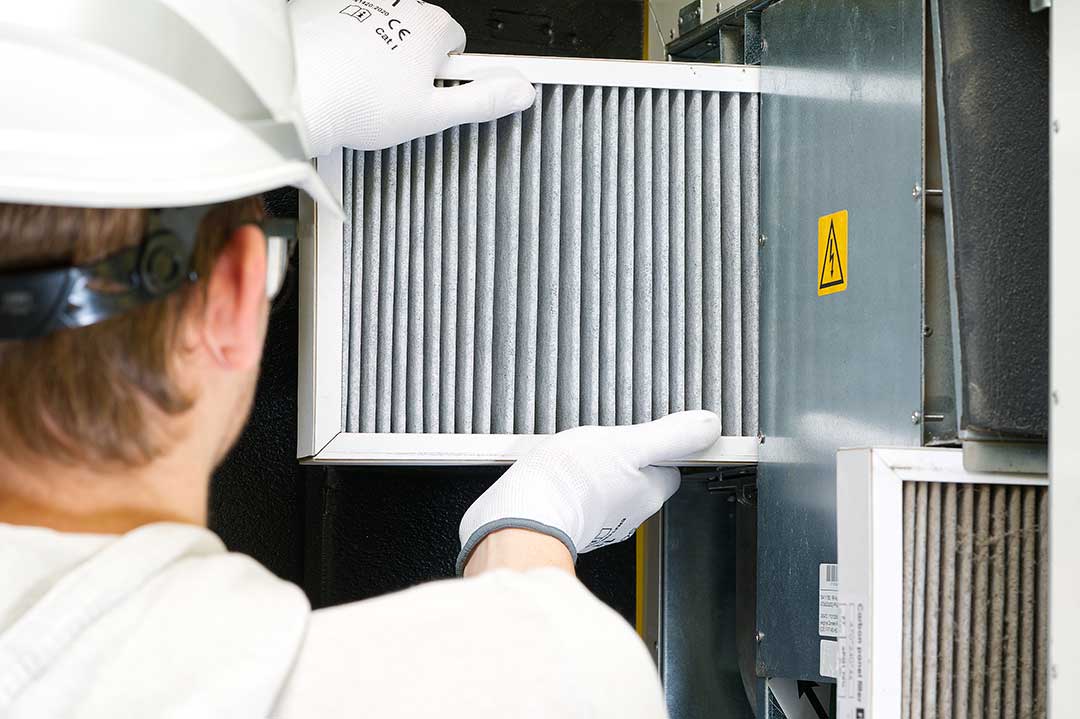
What HVAC maintenance affects allergen control?
Routine maintenance helps keep air-moving components cleaner and allows problems to be identified before they affect indoor air quality. Important areas include the filter cabinet, blower compartment, indoor coil, condensate pan, and accessible duct connections.
A dirty indoor coil or blower can collect dust and reduce airflow. A blocked condensate drain can cause water damage or contribute to moisture problems near the air handler. These issues are not always visible from the living space.
Duct cleaning is not automatically needed in every home. Dust inside ducts usually remains relatively still unless it is disturbed or pulled into the system through leaks. Cleaning may be appropriate when ducts contain heavy visible debris, pest contamination, water damage, or mold-like growth, but routine cleaning alone is not a guaranteed solution for allergies.
What household habits support HVAC filtration?
The HVAC system works better as part of a broader cleaning and moisture-control routine. Practical steps include:
- Vacuum carpets and rugs with equipment that captures fine particles.
- Wash bedding regularly, especially in rooms used by allergy-sensitive residents.
- Clean return-air grilles and supply registers instead of allowing dust to build up.
- Groom pets regularly and keep heavily shedding animals away from sleeping areas.
- Use exhaust fans during bathing and cooking to remove moisture and particles.
- Repair leaks and dry wet materials promptly.
- Remove shoes at the entryway during high-pollen or muddy seasons.
- Avoid sweeping dry dust, which can place settled particles back into the air.
Cleaning should not create a new exposure problem. Dusting with a slightly damp cloth and vacuuming with good filtration can be more effective than dry sweeping.
When should an air purifier or ventilation upgrade be considered?
A portable air cleaner may help in a bedroom or other frequently occupied room, especially when a resident is sensitive to airborne particles. It should be sized for the room and operated according to its instructions. Filtration is most useful when doors and windows are kept closed during periods of heavy outdoor pollen.
Whole-home equipment can also be used, but the system must be compatible with the HVAC equipment and ductwork. Air cleaners do not replace source control, moisture repairs, filter changes, or regular cleaning.
Ventilation also requires balance. Bringing in outdoor air can reduce indoor odors and some contaminants, but unfiltered outdoor air may increase pollen levels. In this region, ventilation strategies may need to change between humid summer weather, cold winter conditions, and high-pollen seasons.
When is professional evaluation justified?
Safety and hidden moisture problems warrant qualified evaluation. Examples include suspected mold growth inside HVAC components, repeated water around the indoor unit, damaged electrical parts, combustion concerns, severe airflow loss, or persistent musty odors that remain after cleaning.
Residents with asthma or significant allergies should also discuss symptoms with a medical professional. HVAC improvements can reduce exposure to some airborne irritants, but they do not diagnose or treat respiratory conditions.
A practical starting point is to inspect the filter, check for visible moisture, confirm that return grilles are unobstructed, and observe whether airflow is consistent from room to room. These basic checks often reveal whether the system is helping control indoor particles or unintentionally circulating them.