

 See My Latest Article on HelloNation
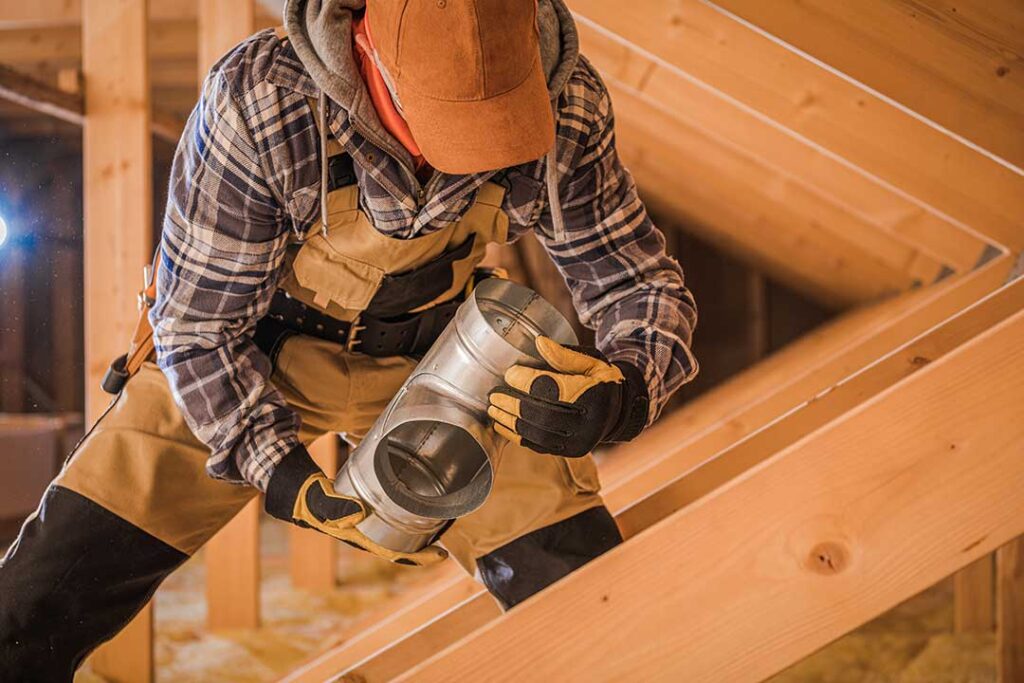
What Causes High Energy Bills for Morris, IL Households?
Unexpectedly high energy bills are a familiar concern for residents across Morris, IL, especially during peak summer and winter months when heating and cooling systems work hardest. Several factors, many unique to the local climate and housing styles, are frequently behind these increases.
How Do Seasonal Weather Patterns Drive Up Costs?
Severe cold snaps and humid summers in Morris, IL directly impact household energy usage. Colder winters and muggy summers mean furnaces and air conditioners run longer and more frequently, often accounting for over half of home energy consumption.
Local houses, particularly older structures common in historic neighborhoods, can also struggle to keep up with extreme temperature shifts. Drafts around windows or inadequate attic insulation mean heating and cooling systems have to work overtime, driving costs even higher.
Could Inefficient Heating or Cooling Systems Be to Blame?
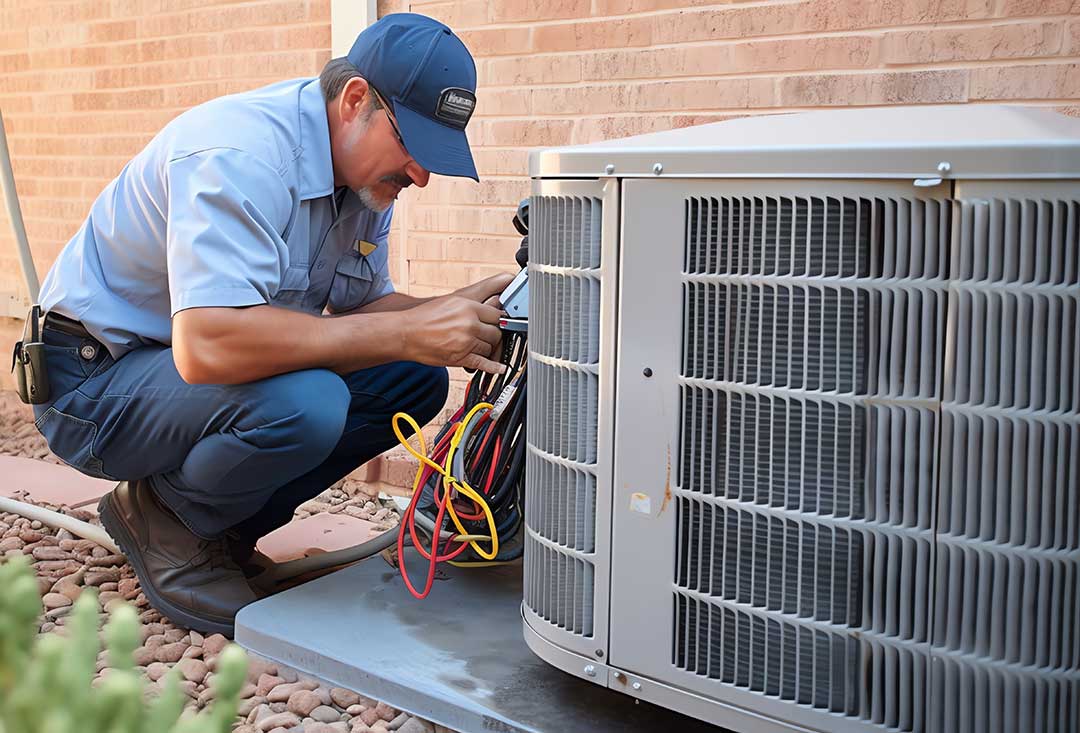
Yes—outdated or poorly maintained HVAC systems are a top reason for high bills.
- Units over 10-15 years old may be much less efficient than newer models, using more energy to achieve the same comfort level.
- Simple maintenance issues—such as dirty filters, blocked vents, or failing parts—also force equipment to run longer.
- Thermostats that are not programmed or are located in drafty spots can lead to systems rapidly cycling on and off, which is often overlooked but very common in area households.
Even newer HVAC systems can be less efficient if they're the wrong size for the home's square footage or if air ducts are leaky.
Are Drafts and Poor Insulation a Common Cause?
Absolutely. Drafts and poor insulation are frequently the underlying cause of persistent energy waste, especially in older Morris homes.
- Gaps around windows, doors, or attic access points allow conditioned air to escape and outside air to come in.
- Fiberglass insulation, often found in local homes built before the 1980s, can settle or become less effective over time.
- Some residents underestimate how much heat can be lost through unfinished basements or uninsulated garages attached to living spaces.
Checking for cold spots in winter or warm patches in summer can be a practical way to spot problem areas before resorting to costly solutions.
Do Everyday Habits Affect Energy Bills?
Household routines play a surprisingly significant role in overall energy use.
- Leaving lights and electronics on in unused rooms, running laundry or dishwashers during peak hours, and keeping thermostats high in winter or very low in summer all add up.
- Frequent use of space heaters or window air conditioners—as often happens in bonus rooms, additions, or garages—can make up a substantial portion of a home's total usage without residents realizing.
- Forgetting to close fireplace flues, especially after winter use, is a small mistake that can result in steady air leakage and higher bills.
Simple adjustments, such as using ceiling fans to circulate air or washing laundry with cold water, can help manage costs over time.
Are There Overlooked Sources of Hidden Energy Drain?
Some causes are less obvious but just as impactful.
- Standby power, also called vampire energy, refers to devices drawing power even when turned off—cable boxes, chargers, and certain kitchen appliances commonly found in local homes.
- Bathroom and kitchen ventilation fans left running unnecessarily can quietly add to monthly bills.
- Pools, hot tubs, or decorative outdoor lighting—though less common in all neighborhoods, are significant contributors where present.
Checking utility bills for unusual spikes can help pinpoint hidden problem areas.
Can Utility Rate Changes Impact What Residents Pay?
Yes, changes to electricity or natural gas rates occasionally occur and often go unnoticed until higher bills arrive.
Local utilities sometimes adjust rates during high-demand seasons or impose tiered pricing depending on usage levels. Monitoring utility correspondence or news can help residents distinguish between increased rates and higher consumption. For many, less visible line items, like delivery charges or service fees, can also escalate overall costs.
What Are Common Misconceptions About High Energy Bills?
There are a few widespread misunderstandings:
- Many believe closing vents in unused rooms will save money, but in forced-air systems, this can reduce system efficiency and actually increase bills.
- Some residents expect that setting the thermostat to extreme temperatures will heat or cool the home faster, but this just makes the HVAC system run for longer than necessary.
- It's also a myth that newer homes always mean lower bills—while tighter construction helps, factors like high ceilings or extensive open floor plans can work against efficiency if systems are not properly sized.
Understanding these local patterns—and how homes interact with the region’s seasonal swings—can help area residents make informed decisions about improving comfort and controlling costs.