

 See My Latest Article on HelloNation
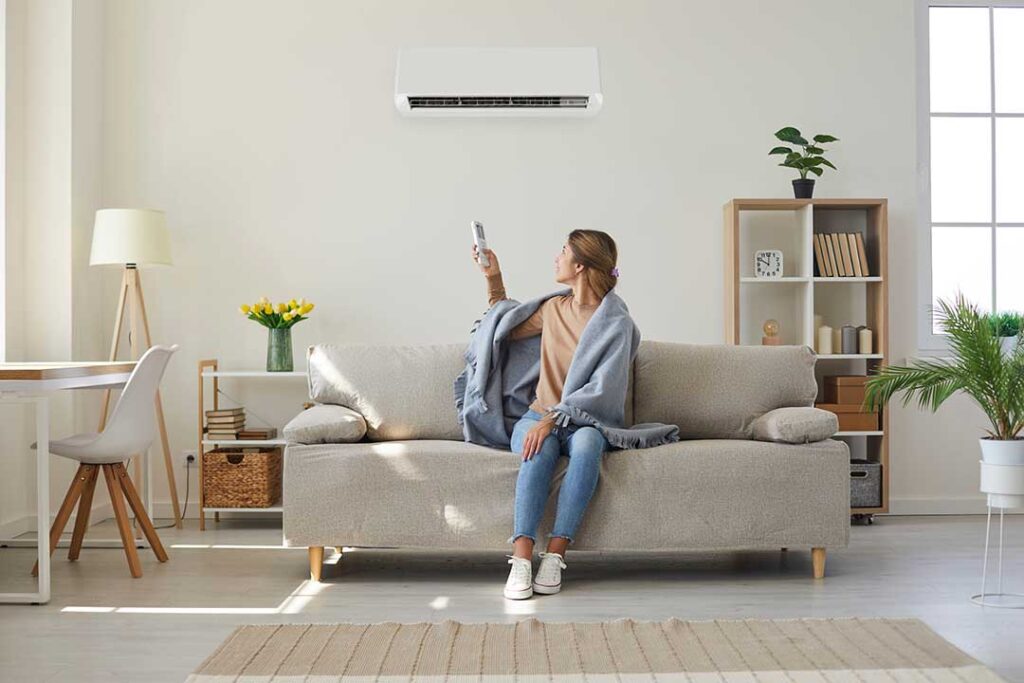
Heat pumps are heating and cooling systems that move heat rather than create it through combustion. In summer, a heat pump removes heat from the home and releases it outdoors. In winter, it reverses that process and draws available heat from outside air to warm indoor rooms.
For households in Morris, IL, a heat pump can provide both heating and air conditioning from one system. Its performance depends on outdoor temperature, home insulation, equipment design, and the condition of the ductwork or indoor distribution system.
How does a heat pump work?
A heat pump uses a refrigeration cycle similar to the one found in an air conditioner or refrigerator. The system circulates refrigerant through several important components:
- Outdoor coil: Absorbs or releases heat outside.
- Indoor coil: Transfers heat into or out of the home.
- Compressor: Raises the refrigerant’s pressure and temperature.
- Expansion device: Lowers refrigerant pressure so it can absorb heat again.
- Reversing valve: Changes the direction of refrigerant flow between heating and cooling modes.
In cooling mode, the indoor coil absorbs heat from the air inside the house. The refrigerant carries that heat outdoors, where the outdoor coil releases it. The indoor blower then circulates cooler air through the home.
In heating mode, the reversing valve changes the flow direction. The outdoor coil absorbs heat from the outside air, even when the weather feels cold. The refrigerant brings that heat indoors, where the indoor coil releases it into the living space.
A heat pump does not need outdoor air to feel warm in order to work. Cold air still contains thermal energy, although the amount available decreases as temperatures fall.
Can a heat pump heat a home during cold weather?
Yes, but heating capacity and efficiency decrease as outdoor temperatures drop. Modern cold-climate heat pumps are designed to operate in colder conditions than older models, but every system has a practical operating range.
During a typical winter in Morris, IL, a heat pump may provide efficient heating through many outdoor temperatures. On especially cold days, the system may need supplemental heat. This additional heat can come from:
- Electric resistance heating elements
- A gas, propane, or oil furnace in a dual-fuel system
- Another approved backup heating source
Some heat pumps automatically activate auxiliary heat when indoor temperatures do not rise quickly enough or when outdoor conditions are unusually cold. Auxiliary heat generally costs more to operate than normal heat-pump operation, so frequent use may indicate extreme weather, inadequate system sizing, airflow problems, or a control issue.
A heat pump should not be judged only by whether it produces very hot air. Unlike a combustion furnace, it often delivers moderately warm air for longer periods. Consistent, lower-temperature airflow can still heat a home effectively.
What happens during a defrost cycle?
In heating mode, the outdoor coil can become covered with frost when outdoor air is cold and damp. Frost restricts airflow and reduces heat transfer, so the system periodically enters a defrost cycle.
During defrost, the heat pump temporarily reverses operation to warm the outdoor coil and melt the frost. A homeowner may notice:
- Steam rising from the outdoor unit
- A brief change in airflow or sound
- Cooler air from indoor registers for a short time
- Temporary use of auxiliary heat
These signs are usually normal. The outdoor unit should remain reasonably clear of snow, leaves, and other obstructions so air can move freely. Persistent heavy ice, blocked coils, or repeated defrost cycles may indicate a drainage, airflow, refrigerant, or control problem.
Are heat pumps efficient?
Heat pumps can be efficient because they move existing heat instead of generating all heat directly. In cooling mode, their operation is similar to that of a central air conditioner. In heating mode, they can deliver several units of heat for each unit of electricity used under favorable conditions.
Actual performance varies. Important factors include:
- Outdoor temperature and humidity
- Equipment size and efficiency rating
- Thermostat settings
- Air leakage and insulation
- Dirty filters or restricted airflow
- Ductwork condition
- The system’s installation and control settings
A heat pump that is too large may cycle on and off frequently, which can reduce comfort and humidity control. A system that is too small may run for long periods and rely heavily on supplemental heat. Proper sizing should account for the home’s construction, windows, insulation, orientation, and local winter conditions rather than relying only on floor area.
What is the difference between an air-source and ground-source heat pump?
An air-source heat pump exchanges heat with outdoor air. This is the type most commonly considered for homes because it can use existing ductwork or, in some designs, indoor units connected to small refrigerant lines.
A ground-source heat pump, sometimes called a geothermal heat pump, exchanges heat with the ground through buried loops. Ground temperatures are more stable than outdoor air temperatures, which can make these systems perform consistently. However, installation requires suitable property conditions, excavation or drilling, and a properly designed loop system.
Both types can provide heating and cooling. The choice depends on the property, available space, existing distribution system, installation requirements, and long-term operating priorities.
Can a heat pump replace both a furnace and an air conditioner?
In some homes, yes. A central heat pump can provide both cooling and heating through the same duct system. A dual-fuel arrangement combines a heat pump with a furnace so the heat pump operates during milder weather and the furnace takes over when temperatures become very low.
Replacement is not always simple. Existing ductwork may be suitable, but it should still be checked for leakage, poor insulation, undersized sections, or uneven airflow. Electrical capacity may also need review, especially if the system includes electric backup heat.
Homes without ductwork can use ductless heat pumps. These systems connect an outdoor unit to one or more indoor air handlers and can provide room-by-room temperature control. They may be useful for additions, older homes, finished spaces, or areas that are difficult to connect to central ducts.
What maintenance does a heat pump need?
Heat pumps need attention in both heating and cooling seasons because they operate throughout much of the year. Basic maintenance includes:
- Replacing or cleaning air filters on an appropriate schedule
- Keeping supply registers and return grilles unobstructed
- Clearing leaves, grass, and snow from around the outdoor unit
- Checking that condensate drains remain open
- Keeping shrubs and stored items away from the outdoor coil
- Watching for unusual noises, weak airflow, persistent ice, or uneven temperatures
Because the system contains electrical components, refrigerant under pressure, and moving parts, repairs involving those components require appropriate safety procedures and technical training. Electrical disconnects should not be bypassed, and refrigerant should never be released into the atmosphere.
Are heat pumps a good fit for homes in Morris, IL?
A heat pump can be a practical option for local households when the equipment is properly sized, the home has reasonable air sealing and insulation, and the system is selected for the region’s winter conditions. The most useful evaluation considers the entire home rather than the equipment alone.
Questions worth asking include:
- How much heat does the home lose on a cold night?
- Is the existing ductwork capable of moving enough air?
- How often might supplemental heat operate?
- Is the electrical service adequate?
- Would a dual-fuel or ductless design better match the home?
- Are outdoor drainage and snow-clearance conditions manageable?
Understanding these factors helps residents compare heating choices realistically. A heat pump is not simply an electric furnace or an air conditioner that runs backward; it is a reversible heat-transfer system whose comfort, cost, and reliability depend on outdoor conditions and the home surrounding it.