

 See My Latest Article on HelloNation
What Are Ideal Thermostat Settings for Summer and Winter in Morris, IL?
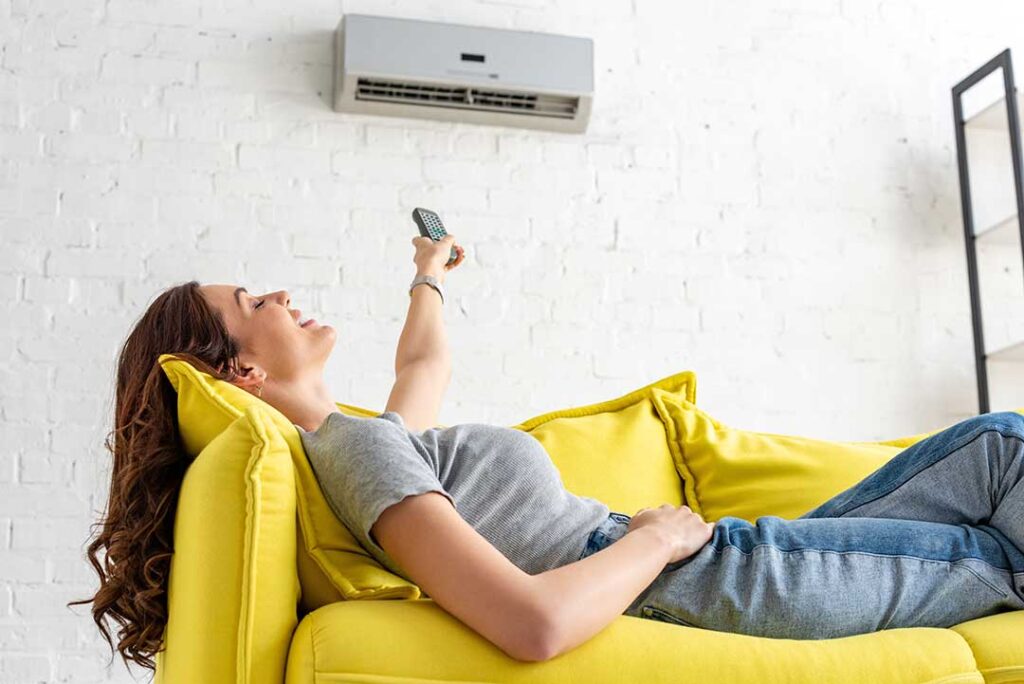
Residents in Morris, IL often wonder what temperature they should set their thermostat to during the hottest and coldest months. The answer depends on a balance of comfort, energy savings, and local climate realities. In summer, 78°F is generally recommended when at home and awake, while in winter, 68°F is advised during waking hours. Adjustments during sleeping hours, vacations, or when no one is home can offer further comfort and cost benefits.
Why Do These Temperature Recommendations Work for Morris?
Morris households experience humid summers and cold winters, which shape the most effective thermostat strategies:
- Summer: Setting your thermostat around 78°F keeps most people comfortable indoors while reducing how hard your air conditioner works. Humidity can make even moderate temperatures feel warmer, so many local residents also use ceiling fans to improve comfort without lowering the setting.
- Winter: During the colder months, 68°F is comfortable with warm clothing. Setting the thermostat lower when sleeping or away reduces how frequently the furnace runs. Since winter air gets dry, adjustments for personal comfort (such as using a humidifier or layering clothing) are common in area homes.
How Can You Adjust Settings for Occupancy and Sleep?
Temperature needs shift throughout the day, especially between when people are home, away, awake, or asleep:
- Summer:
- While home and awake: 78°F
- Sleeping or away: 80–85°F (higher if pets and plants are safe)
- Winter:
- While home and awake: 68°F
- Sleeping or away: 60–65°F (consider household health and risk of frozen pipes)
Programmable or smart thermostats help automate these changes, ensuring comfort as you return and savings when you’re not using the space.
What Other Local Factors Should Area Households Consider?
Several factors unique to the community affect the best temperature settings:
- Housing construction: Homes with modern insulation and windows retain temperatures more efficiently, while older homes may need minor adjustments.
- Personal health: Elderly residents, young children, and those with chronic illnesses might need adjustments for warmth or cooling.
- Appliance use: Using ovens, space heaters, or portable air conditioners may shift overall comfort in different rooms.
- Humidity management: Humidity levels can make a home feel warmer or colder, so adjusting the thermostat should be considered alongside using dehumidifiers in summer or humidifiers in winter.
Does Adjusting the Thermostat Really Save Money in Morris?
Yes, lowering the thermostat in winter or raising it in summer—especially by 7–10°F for eight hours daily—can reduce yearly energy bills by as much as 10%, according to government efficiency recommendations. This is particularly true in areas like Morris, where temperature swings are significant.
- Energy costs peak during extreme weather, when heating or cooling works hardest.
- Each degree closer to the outdoor temperature reduces the load on HVAC equipment, helping systems last longer and require less maintenance.
Should You Turn the System Off When You’re Away?
Turning off your HVAC entirely is not usually recommended during periods of extreme cold or heat, especially in local winters when pipes can freeze if temperatures drop too low. Setting the thermostat to a modestly uncomfortable but safe temperature—about 80–85°F in summer, 55–60°F in winter—is a better approach for both savings and safety.
Common Misconceptions About Thermostat Adjustments
Some local households believe that keeping the thermostat at a constant temperature is more efficient, or that the system uses more energy to return the house to a comfortable setting. In reality:
- Modern HVAC systems are designed to reheat or recool spaces efficiently and do not use excessive extra energy to make moderate adjustments.
- Letting your home get too warm in summer or too cool in winter, however, can create other issues, such as property damage or poor air quality.
Practical Tips for Staying Comfortable Without Overusing Your HVAC
- Use ceiling fans in the correct direction: Summer—counterclockwise to push cool air down. Winter—clockwise at low speed to redistribute warm air.
- Block direct sunlight with blinds or curtains during hot days.
- Wear appropriate seasonal clothing indoors to stay comfortable at lower or higher thermostat settings.
- Seal windows and doors to avoid drafts and leaks, improving temperature consistency throughout your home.
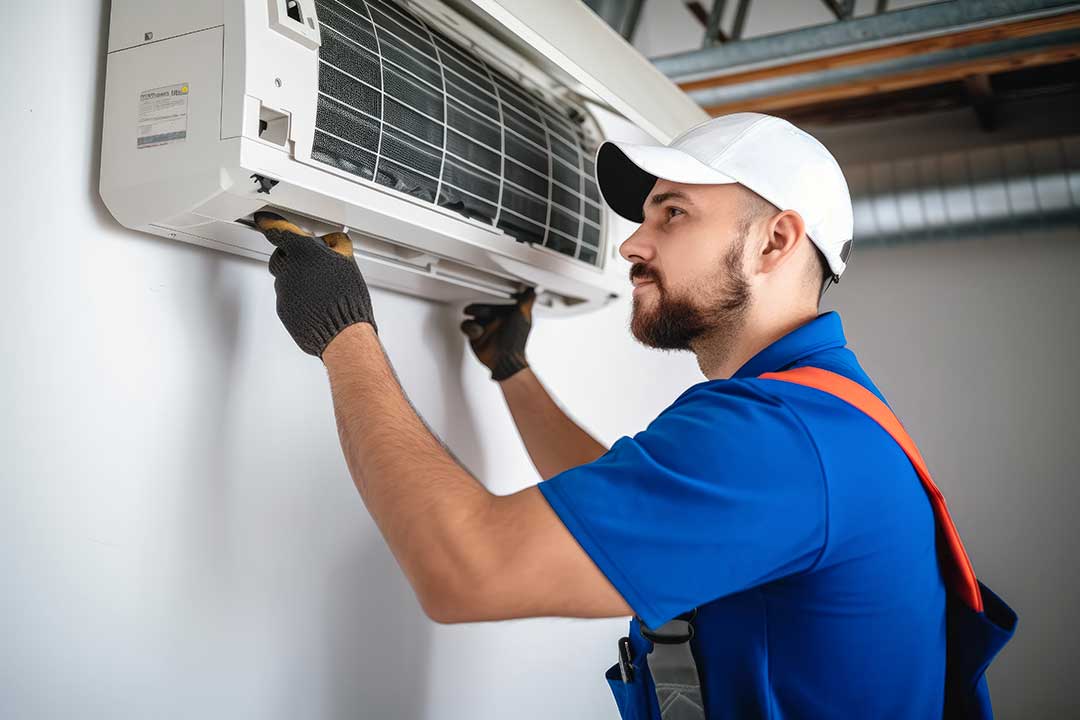
- Arrange for annual HVAC maintenance to ensure optimal performance; a poorly running system can make achieving your desired settings harder.
Consistently applying realistic thermostat adjustments—paired with good home habits—helps maximize comfort while making monthly utility bills more manageable in the area.