

 See My Latest Article on HelloNation
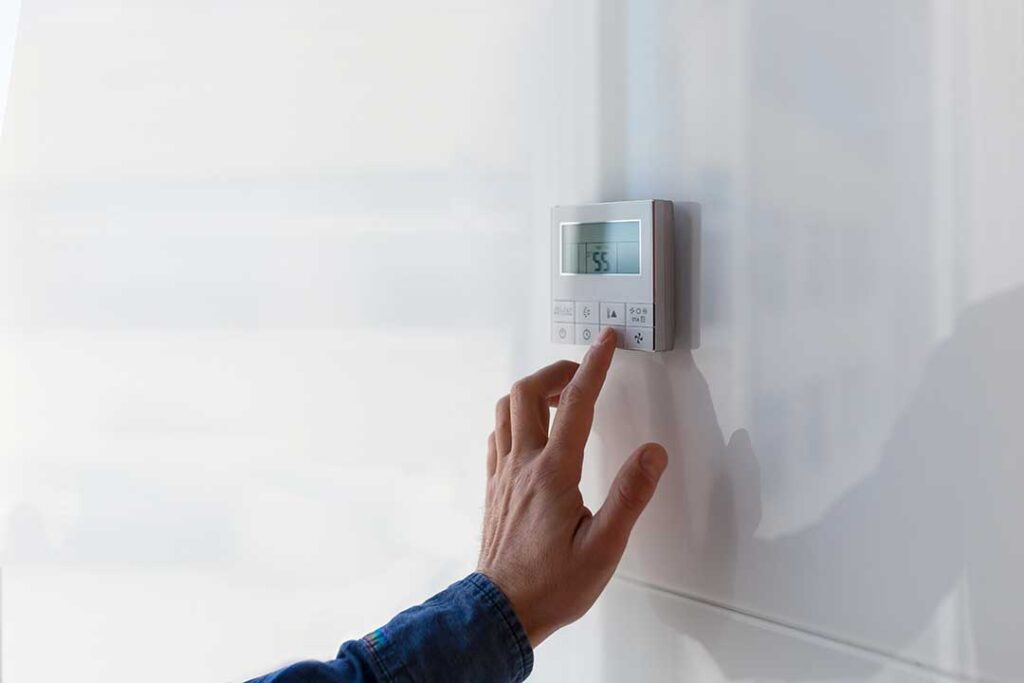
Smart thermostats can reduce heating and cooling costs, but the savings are not automatic. They work best when a home has a compatible HVAC system, a predictable schedule, and temperature settings that allow the equipment to run less often without sacrificing comfort.
Do smart thermostats really save money?
Yes, many households can save money with a smart thermostat, especially when the thermostat regularly adjusts temperatures during sleeping hours, workdays, school days, or extended trips away from home.
The savings come from reducing unnecessary heating and cooling—not from the thermostat making the furnace, air conditioner, or heat pump operate more efficiently by itself. A smart thermostat cannot correct an oversized system, poor insulation, duct leakage, blocked airflow, or equipment that needs repair.
Actual savings vary widely. A household that already adjusts a basic thermostat carefully may see only a modest improvement. A household that keeps the home at the same temperature around the clock may have more opportunity to reduce energy use.
How does a smart thermostat reduce energy use?
A smart thermostat can lower energy consumption by changing the indoor temperature when the home does not need the same level of comfort. Common functions include:
- Scheduled temperature changes for sleeping and away periods
- Remote adjustments through a phone or web connection
- Occupancy detection using motion sensors or connected devices
- Reminders for filter replacement or unusual system operation
- Temperature and humidity monitoring
- Reports showing heating and cooling patterns
For example, a home may use a lower heating setting overnight and while residents are away during the day. During warmer weather, the thermostat may allow the indoor temperature to rise somewhat while the house is empty.
The thermostat saves energy only if these settings result in less equipment run time. A display showing energy reports does not guarantee that the home is using less energy.
What type of savings can Morris households expect?
Residents in Morris experience both heating-dominated winter weather and warm, humid summer conditions. That means thermostat savings can occur during both major parts of the year, although the results depend on the home and the HVAC system.
Heating savings may be more noticeable in homes with:
- Long periods when residents are away
- Older manual thermostats
- Large temperature settings maintained overnight
- Poorly insulated upper floors or additions
- Furnaces or heat pumps that run frequently during cold weather
Cooling savings may be more noticeable when a home has regular daytime vacancies, such as during school or work hours. Allowing the indoor temperature to rise moderately while the home is empty can reduce air-conditioning run time.
The most useful measure is not a specific percentage advertised on a package. Compare energy bills and weather conditions before and after installation. A colder winter or hotter summer can increase energy use even if the thermostat is controlling the system more efficiently.
Are smart thermostats compatible with every HVAC system?
No. Compatibility should be checked before purchase or installation.
Most conventional systems use a low-voltage thermostat with separate controls for heating and cooling. Some homes, however, have equipment or wiring that requires special consideration, including:
- Heat pumps
- Dual-fuel systems
- Multi-stage furnaces or air conditioners
- Systems with separate heating and cooling zones
- Electric baseboard heat
- Hydronic or boiler systems
- Older wiring without a common wire
- Ventilation equipment connected to the thermostat
A thermostat may power on but still fail to control all available functions correctly. For example, a compatible-looking thermostat might operate a heat pump incorrectly or fail to control auxiliary heat as intended.
Homes with older wiring may also need a power adapter or another approved method of supplying continuous power. Incorrect wiring can damage controls or create an unsafe operating condition, so electrical and HVAC safety should take priority over convenience.
Do smart thermostats work well with heat pumps?
They can, but heat pumps require more careful settings than many conventional furnace-and-air-conditioner systems.
A heat pump may use supplemental or emergency heat during very cold conditions. If a thermostat activates that backup heat too aggressively, energy use can rise quickly. A compatible thermostat should understand the system type and use appropriate temperature-change limits.
Large temperature setbacks may also be less useful for some heat pumps, particularly if the system takes a long time to recover. A moderate adjustment may provide a better balance between comfort and energy savings.
Anyone with a heat pump should verify that the thermostat supports the specific equipment configuration, including auxiliary heat, outdoor temperature controls, and multi-stage operation when applicable.
What temperature settings save the most energy?
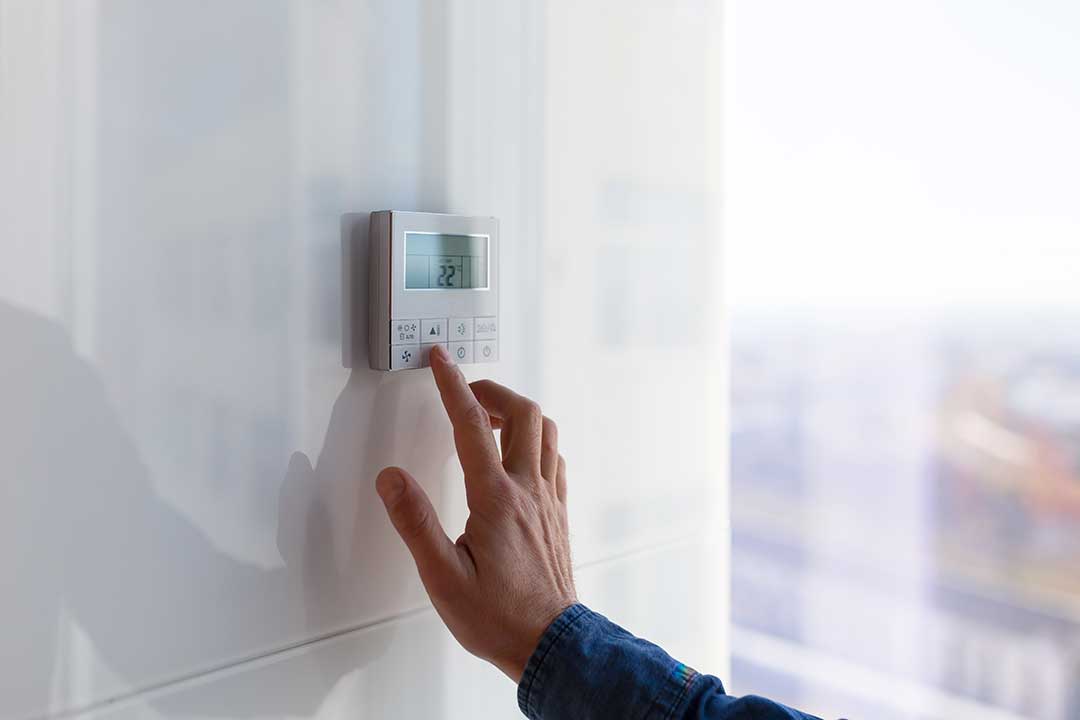
There is no single setting that fits every household, but the general principle is straightforward: use a wider comfort range when the home is empty or residents are asleep.
For winter, lowering the thermostat several degrees during long absences or overnight periods can reduce heating demand. In summer, allowing the indoor temperature to rise while the home is empty can reduce cooling run time.
Changes should be large enough to matter but not so extreme that recovery requires prolonged operation. Very large setbacks may also create comfort problems, increase indoor humidity during cooling season, or encourage residents to override the schedule.
Older adults, infants, and people with certain health conditions may need narrower temperature ranges. Protecting occupants should take precedence over maximum energy savings.
Can smart thermostats reduce humidity problems?
They may help indirectly, but they are not dehumidifiers.
During humid summer weather, air conditioning removes moisture as it cools the home. If the thermostat allows the indoor temperature to rise too much, the air conditioner may run less often and remove less moisture. That can leave the home feeling damp even when the temperature appears acceptable.
Some thermostats can monitor humidity or control compatible whole-home dehumidification equipment. Basic thermostat features, however, cannot solve moisture caused by drainage problems, air leakage, insufficient equipment run time, or water intrusion.
Indoor humidity that remains high, condensation that appears on windows, or musty odors should be treated as signs that the comfort problem may involve more than thermostat programming.
Are learning features worth using?
Learning features can be useful, but they are not essential. A simple programmable schedule often provides most of the potential benefit if it is set up accurately.
Automatic learning may recognize patterns such as leaving for work or going to bed. However, it can misinterpret irregular schedules, guests, holidays, remote work, or short trips. Occupancy sensors may also respond to pets or movement in ways that do not match the household’s intentions.
For many residents, the most dependable approach is to create a schedule manually, review it after a few weeks, and adjust it based on comfort and energy use.
What can prevent a smart thermostat from saving money?
Several common habits can erase the potential savings:
- Frequently overriding the schedule
- Setting extreme temperatures to make the system recover faster
- Leaving doors or windows open while heating or cooling operates
- Ignoring dirty filters or blocked return grilles
- Using “away” settings for short periods that do not allow enough time for savings
- Installing an incompatible thermostat
- Failing to account for heat-pump backup heat
- Assuming remote control automatically reduces energy use
A smart thermostat is one part of a larger system. Air sealing, insulation, proper airflow, equipment maintenance, and reasonable temperature settings often have as much influence on energy use as the thermostat itself.
Is a smart thermostat a good investment?
A smart thermostat is most likely to be worthwhile when the household has a regular schedule, frequently forgets to adjust temperatures, or wants better control while away. It may be less valuable when residents are home most of the time and already use a well-managed programmable thermostat.
Before choosing one, check system compatibility, power requirements, heat-pump support, humidity controls, privacy settings, and whether the automatic features can be disabled. A basic programmable thermostat may provide similar savings at a lower cost for some homes.
The practical question is not whether a smart thermostat is automatically more efficient. It is whether the device will make it easier to maintain energy-saving temperatures consistently without creating comfort or equipment problems.